
Blackline Data Facility
A computational facility restructured to improve isolation between critical systems through architectural planning.
Initial Condition
The facility operated as a high-density computational environment supporting critical workloads across multiple system layers.
Compute clusters, support infrastructure, and maintenance access routes were arranged within a continuous spatial layout. The environment functioned operationally, but its structure did not reflect system criticality.
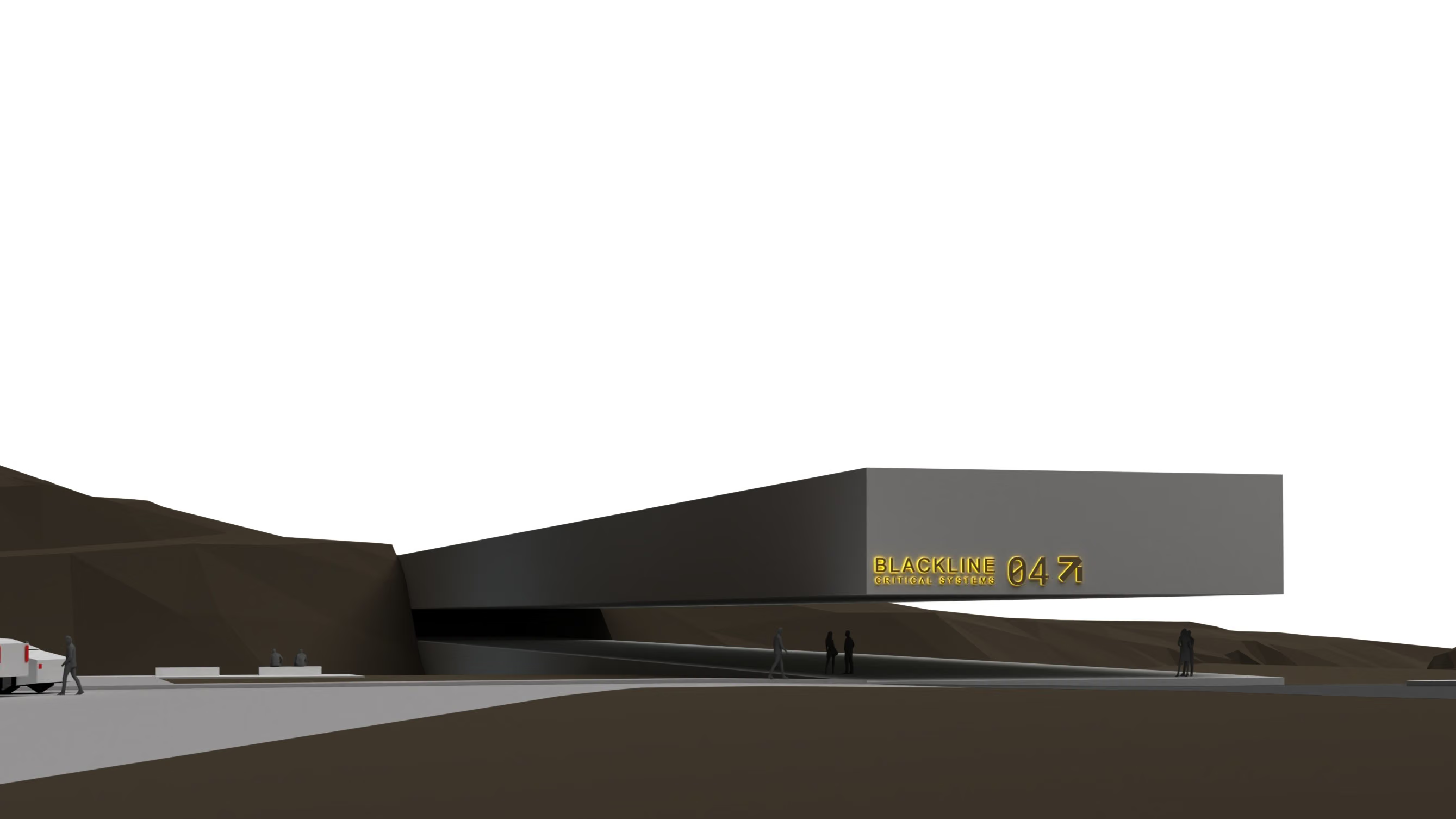
Existing Architecture
There was no clear separation between high-sensitivity compute systems, infrastructure support layers, and maintenance or operational access paths.
Movement and access were not governed by spatial constraints. They were accommodated within the same field, resulting in a tightly coupled environment.
System Exposure
The spatial arrangement allowed direct adjacency between critical and non-critical systems.
- Maintenance routes passed through active compute zones
- Operational boundaries were implied, not enforced
- Disruption in one zone had a clear path into adjacent systems
- Cross-zone risk was architectural, not just operational
Design Position
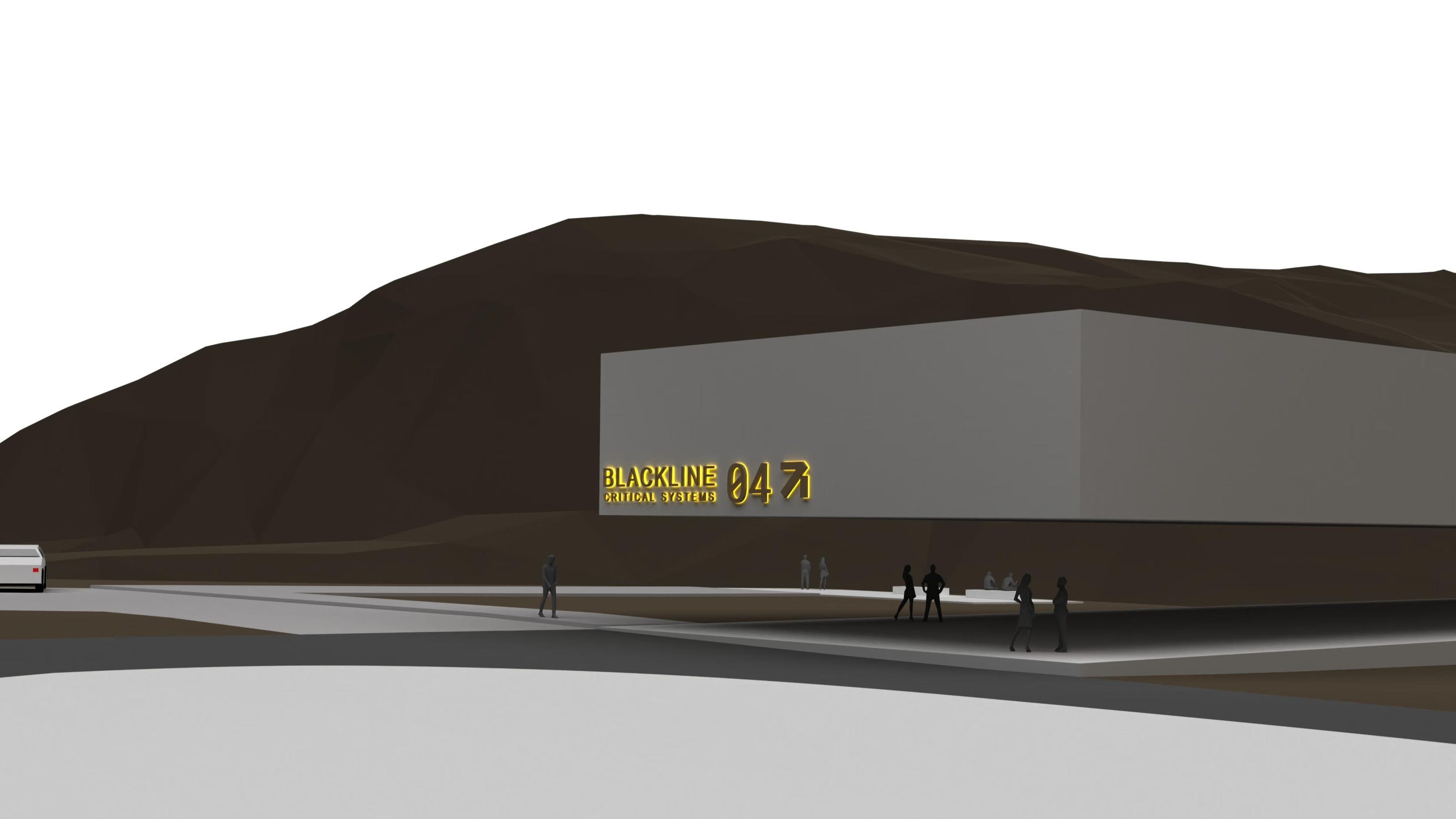
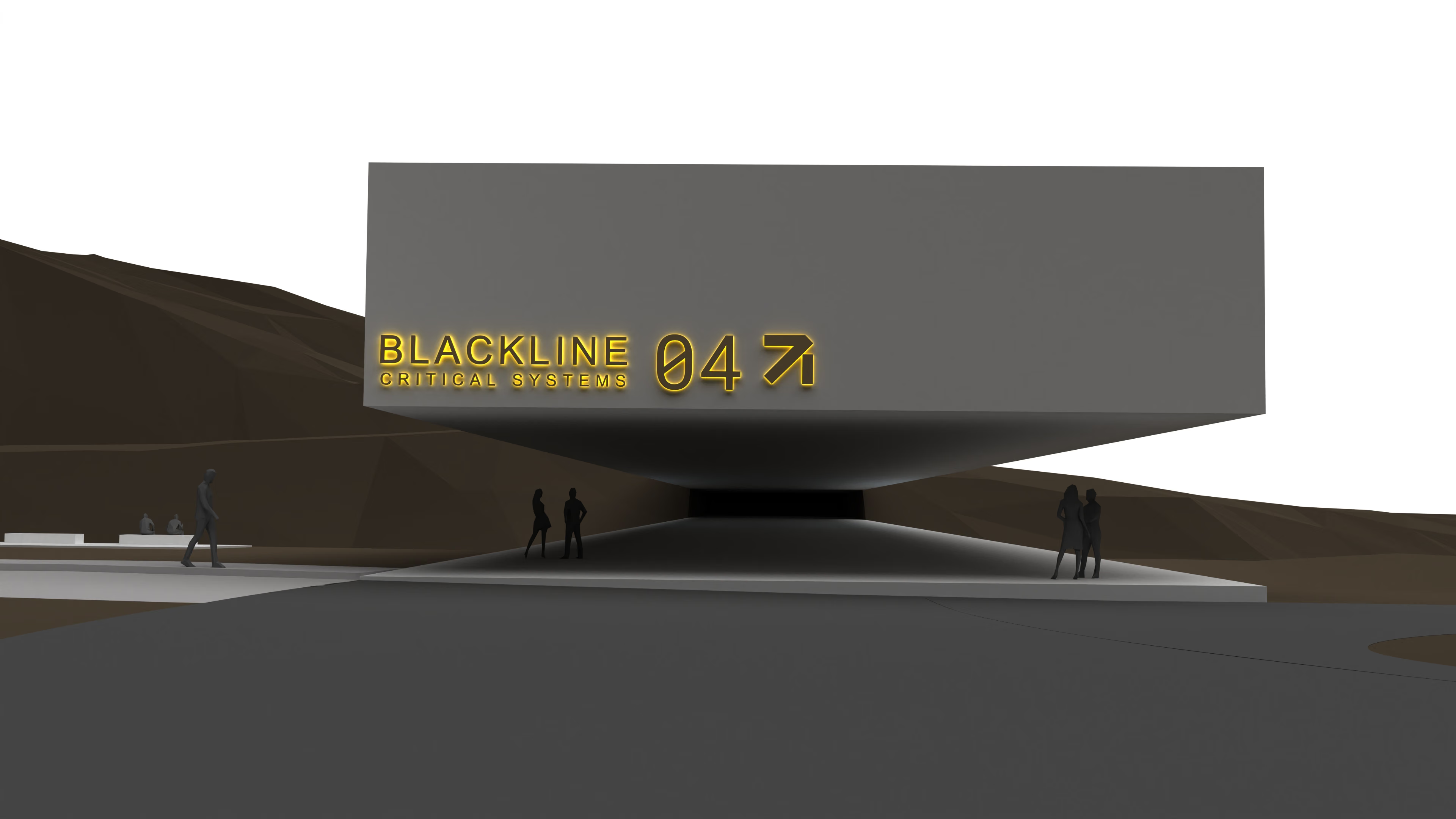
The environment was approached as a separation problem. The objective was to establish clear system boundaries that prevent cross-zone interference.
This required restructuring the environment at the level of spatial logic, rather than relying on procedural or software-based controls.
Design Approach
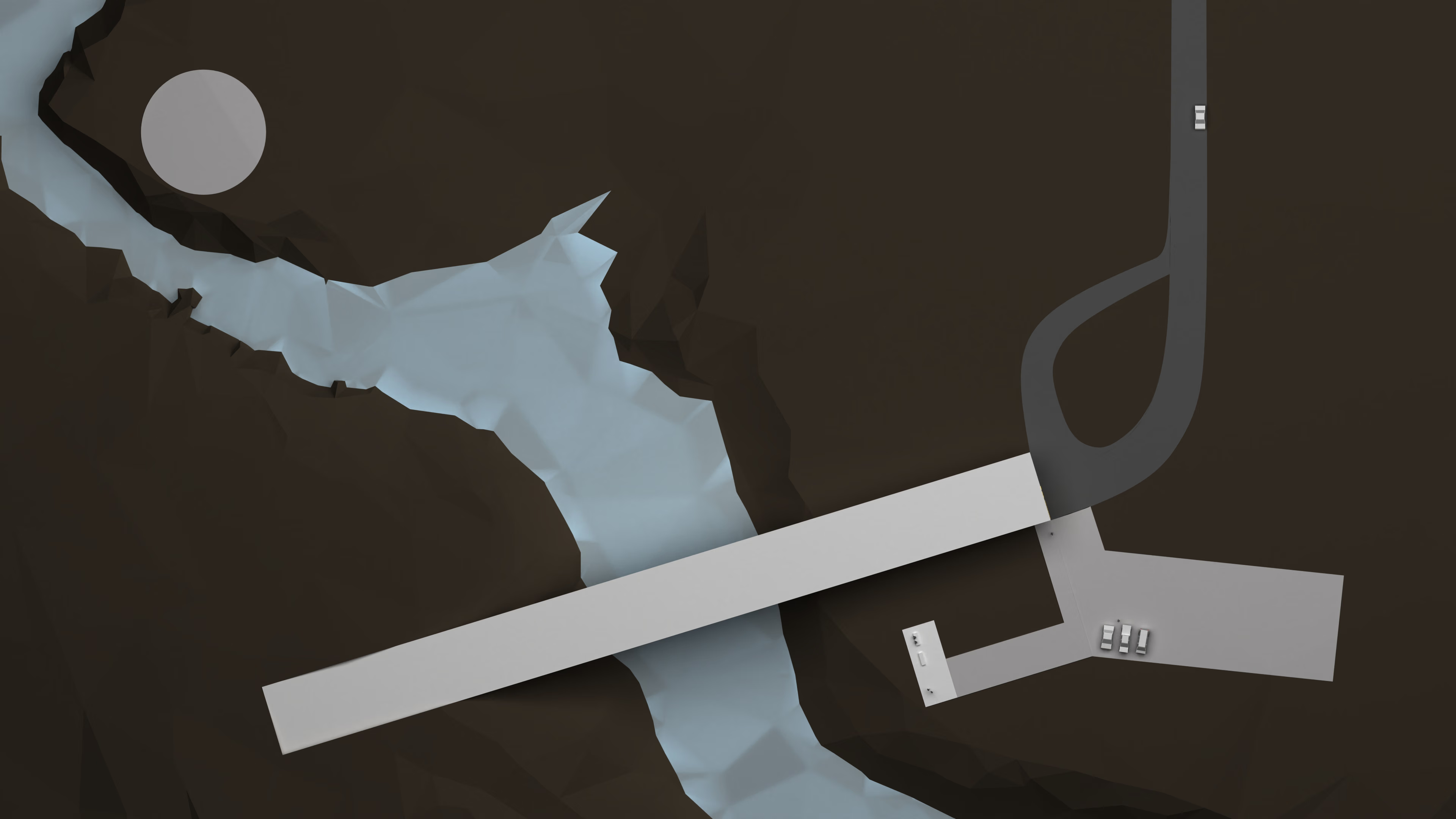
The design introduced separation as a fixed condition of the environment. Three requirements defined the approach:
- Independent spatial domains for critical systems
- Controlled movement between all zones
- Full separation of operational and support layers
Architectural Intervention
The facility was reorganized through targeted structural changes.
Compute Cluster Isolation
Each compute cluster was defined as a separate spatial unit. Clusters are physically separated and no longer share direct adjacency. Access to one cluster does not create access to another.
Access Path Redefinition
Maintenance and operational routes were removed from active system zones. Dedicated access paths were introduced outside of compute environments, fully separated from active processing space.
Transition Control Points
Movement between zones was limited to specific transition points. These points manage entry, interaction, and boundary crossing between systems. Every crossing is a designed decision.
System Layer Separation
Support infrastructure was relocated into separate spatial zones. No overlap remains between processing environments and supporting functions. Adjacency between layers was physically removed.
Structural Shift
The environment moved from a continuous layout to a segmented system. Each operational zone became distinct in function and access. Interaction between zones is now defined and limited.
Resulting Environment
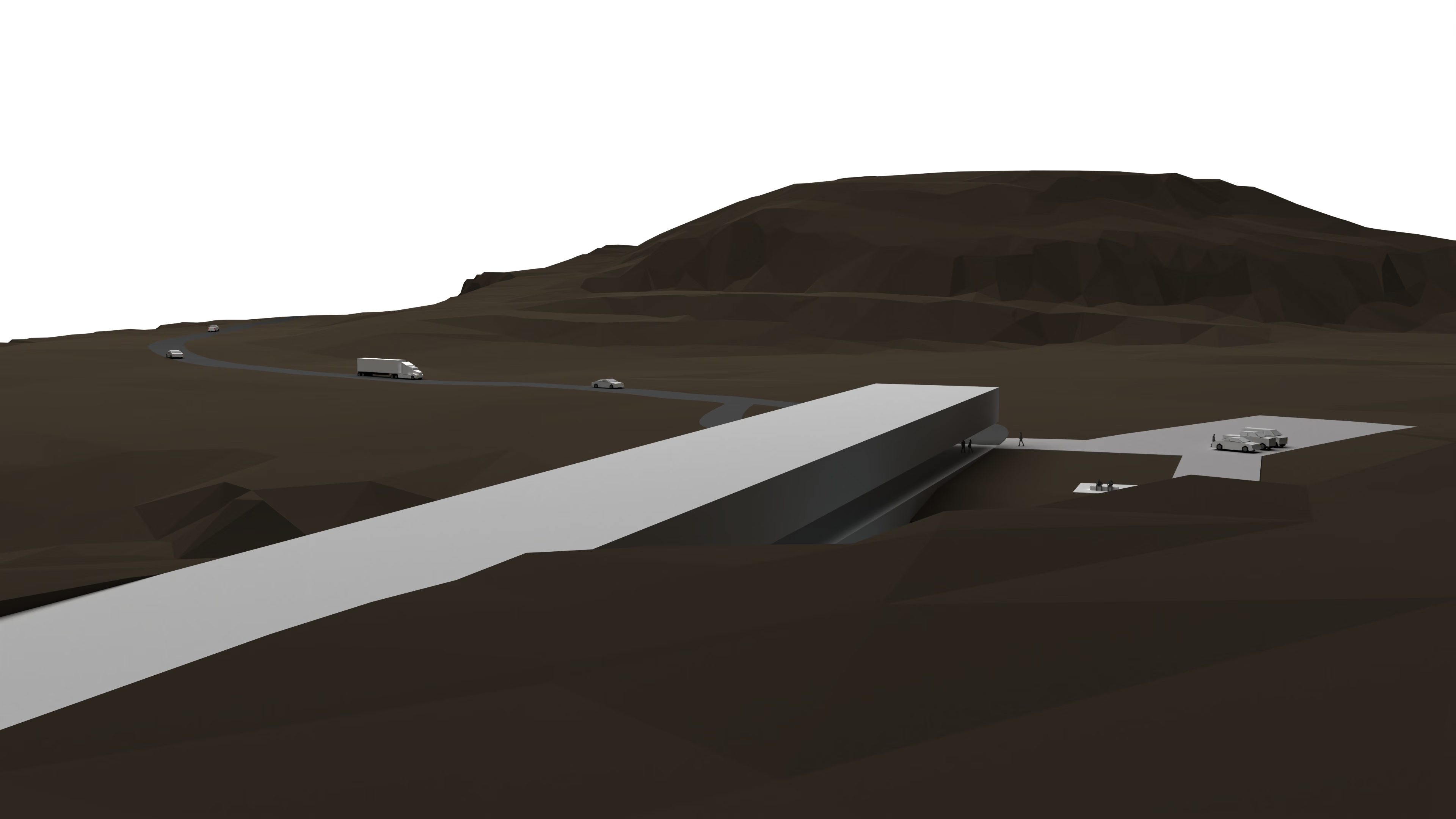
Compute clusters operate as independent spatial systems. Movement paths are fixed and predictable. Access is limited to defined entry points. System boundaries are physically supported by the design.
Outcome
- Cross-zone interference has been reduced
- Maintenance activity is separated from active systems
- System dependencies are physically constrained
- Each cluster operates within its own defined boundary
Architectural separation established. The environment supports isolation at the physical level, reducing dependence on procedural enforcement.
Northwrks Position
System reliability depends on how clearly boundaries are defined in space. Where boundaries are unclear, systems remain exposed. Architecture is a control layer that does not depend on compliance.
Engagement Context
Projects of this type require spatial separation planning, movement control design, adjacency risk evaluation, and containment-focused architectural planning.
Work begins at the system level, not the surface layout.
Architectural separation supporting system reliability.